Swan-area grass fire 100% contained as officials urge no outdoor burning in Smith County
Published 11:05 am Wednesday, February 25, 2026
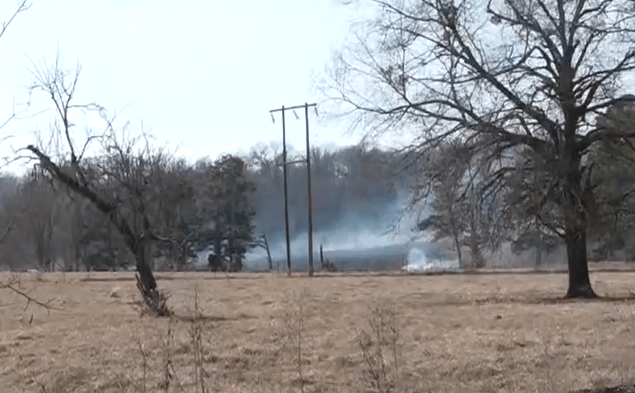

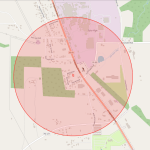
A large grass fire prompted evacuations and was later contained in Smith County as dry conditions persist in the region.
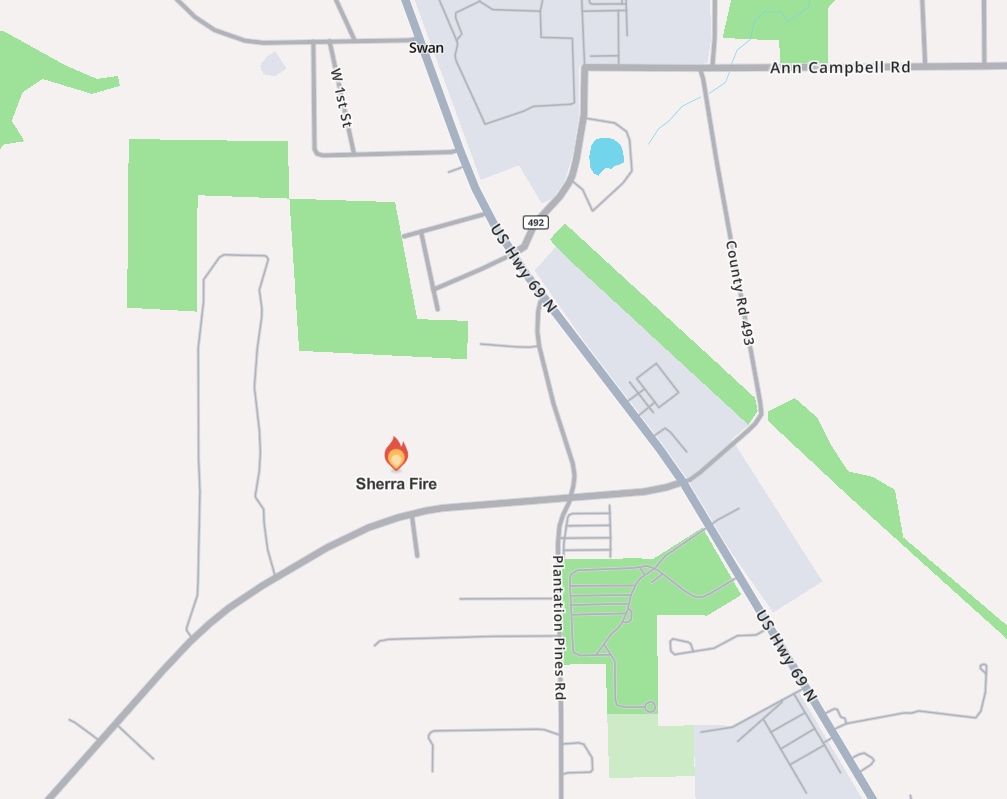
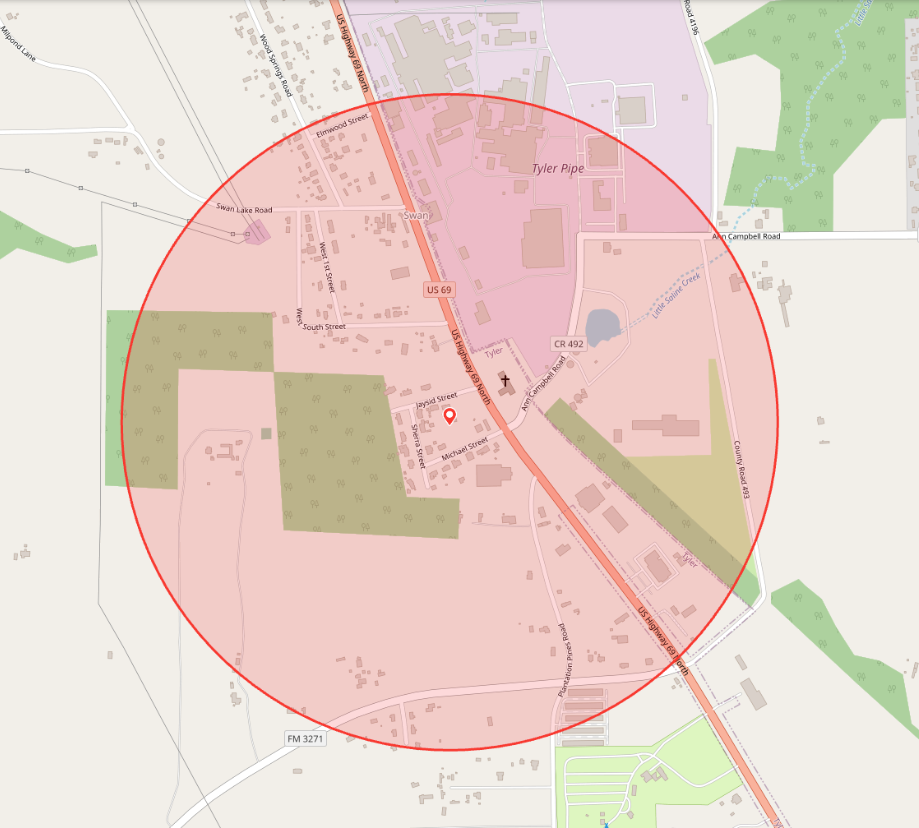
Just after 1 p.m. Tuesday, a large grass fire quickly spread in the 12200 block of FM 3271 west of Highway 69 in the Swan area, which is in the northwestern part of the county. Residents were asked to evacuate as multiple agencies worked to control the blaze. They were later able to return home after the fire was contained.
Smith County Fire Marshal Chad Hogue said a controlled burn in the area was not properly extinguished, leading to the massive fire.
It burned approximately 30 to 50 acres, Hogue estimated. The Texas A&M Forest Service previously estimated up to 150 acres were burning, but officials later decreased their estimation to about 32 acres due to more accurate mapping.
Firefighters remained on scene through the night Tuesday to ensure the fire remained under control. Aircraft dumped water onto the property to help contain the blaze.
Texas A&M Forest Service reported the fire was 100% contained as of 11:40 p.m. Tuesday night.
Current weather conditions are “ripe” for rapid fire spread, Smith County Emergency Services District No. 2 Chief Eric Greaser said.
The county is not currently under a burn ban, but officials have previously advised residents not to burn and continue to urge no burning due to the extremely dry conditions. High wind and relative humidity levels make conditions even more prone to fires.
The fire marshal’s office said when wind speeds are predicted to be higher than 23 mph, outdoor burning is a violation of the Texas Commission on Environmental Quality’s outdoor burning rules.
The Texas A&M Forest Service expects wildfire activity to continue through the remainder of winter and into spring due to above-normal levels of dried vegetation due to freezes becoming highly flammable.
RELATED: What’s driving the wildfire surge in Texas?
“Wildfire activity has increased across the state, driven by underlying drought conditions and above-normal grass production from last year’s growing season,” Texas A&M Forest Service fire chief Jared Karns said in a previous interview with the Tyler Morning Telegraph. “With a La Niña climate pattern forecasted, Texas is expected to experience more conditions that favor increased wildfire activity.”
A La Niña climate pattern, predicted to continue through March, occurs when there is a cooling of ocean surface temperatures in the central and east-central Pacific Ocean, which causes an atmospheric shift resulting in less storms in the southern parts of the United States, resulting in less moisture and drier conditions in Texas, according to the National Weather Service.
Karns said the wildfire season is typically characterized by fire activity in freeze-cured grasses, which are dead grasses that have lost all moisture due to cold temperatures and increased wind speeds associated with passing dry cold fronts. The above-normal grass growth across Texas in 2025 created a recipe for the possibility of wildfires into early spring.
East Texas’ expansive pine woods and hardwoods tend to contribute to its fire risks, even though the area is moister than many other areas in the state.
“When you add that cold air mass to being in La Niña on top of that, it gives it an extra kick for the pattern,” National Weather Service Shreveport meteorologist Davyon Hill said in a previous interview.
There are currently 172 counties under a burn ban in Texas, according to Texas A&M Fire Service.